

Senegal forfeit AFCON final after dramatic walk-off against Morocco following a controversial late penalty decision.
#AFCON #Senegal #Morocco #FootballNews #PenaltyDrama #RefereeDecision

AFCON Final Walkoff
African football was thrown into absolute chaos after the Senegal national football team reportedly forfeited the AFCON final in dramatic fashion, walking off the pitch before full-time in protest of a late decision that changed everything. The incident, which unfolded in stoppage time, has already sparked one of the biggest controversies in the history of the Africa Cup of Nations.
The final, played between Senegal and the Morocco national football team, had been a tense and tightly contested encounter from the first whistle. Both sides showed tactical discipline, physical intensity, and moments of brilliance, living up to the expectations of an AFCON final. Fans across Africa and beyond were glued to the match as it edged closer to a dramatic conclusion.
However, everything changed in the dying minutes.
Deep into stoppage time, Morocco were awarded a penalty after what the referee judged to be a foul inside the box. The decision immediately triggered protests from Senegalese players, who surrounded the referee in disbelief. Replays, although debated, appeared inconclusive to many viewers, adding fuel to an already heated moment.

For Senegal, the stakes couldn’t have been higher. With the scoreline hanging in the balance, conceding a penalty at that stage felt like a decisive blow. Emotions ran high, and frustration quickly turned into protest.
What followed was unprecedented.
Instead of preparing to defend the penalty, Senegal players began to walk off the pitch in protest. Initially, many assumed it was a temporary reaction meant to pressure the officials into reviewing the decision. However, minutes passed, and the team did not return. Reports suggest the walk-off lasted around 15 minutes, leaving match officials, Moroccan players, and fans in confusion.
According to the rules of football, leaving the field without the referee’s authorization is considered a serious offense. After waiting and attempting to restore order, officials were left with no choice but to enforce the regulations. The result: Senegal were deemed to have forfeited the match.
This decision effectively handed victory to Morocco, ending the final not with a whistle and celebration, but with controversy and debate.
The fallout has been immediate and intense.
Supporters of Senegal argue that the players were justified in protesting what they believe was an unfair and potentially match-deciding call. Social media has been flooded with clips, opinions, and heated arguments, with many fans questioning the consistency and accuracy of refereeing decisions in major African tournaments.
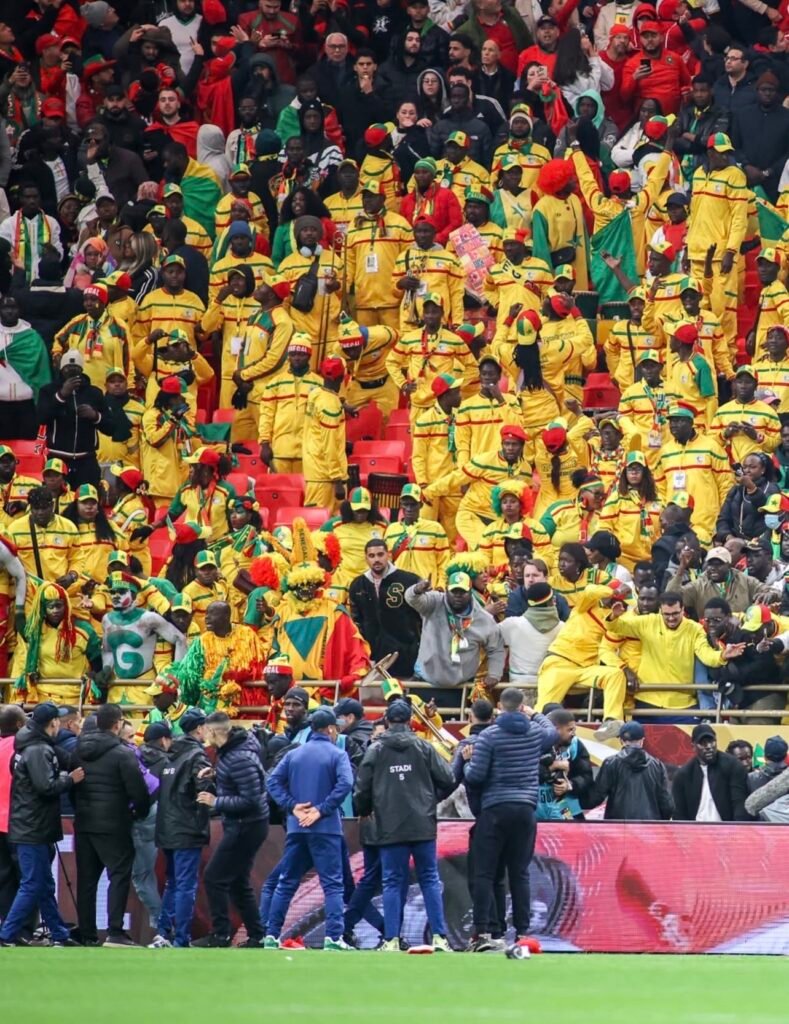
On the other hand, critics have pointed out that regardless of the decision, walking off the pitch set a dangerous precedent. Football, governed by strict rules, relies on discipline and respect for officials. By abandoning the match, Senegal not only risked sanctions but also overshadowed what had been a high-quality final.
Morocco, meanwhile, find themselves in an unusual position. While they are set to be recognized as winners, the manner of victory has sparked mixed reactions. Some celebrate the achievement, while others acknowledge that the match deserved a more definitive and less controversial ending.
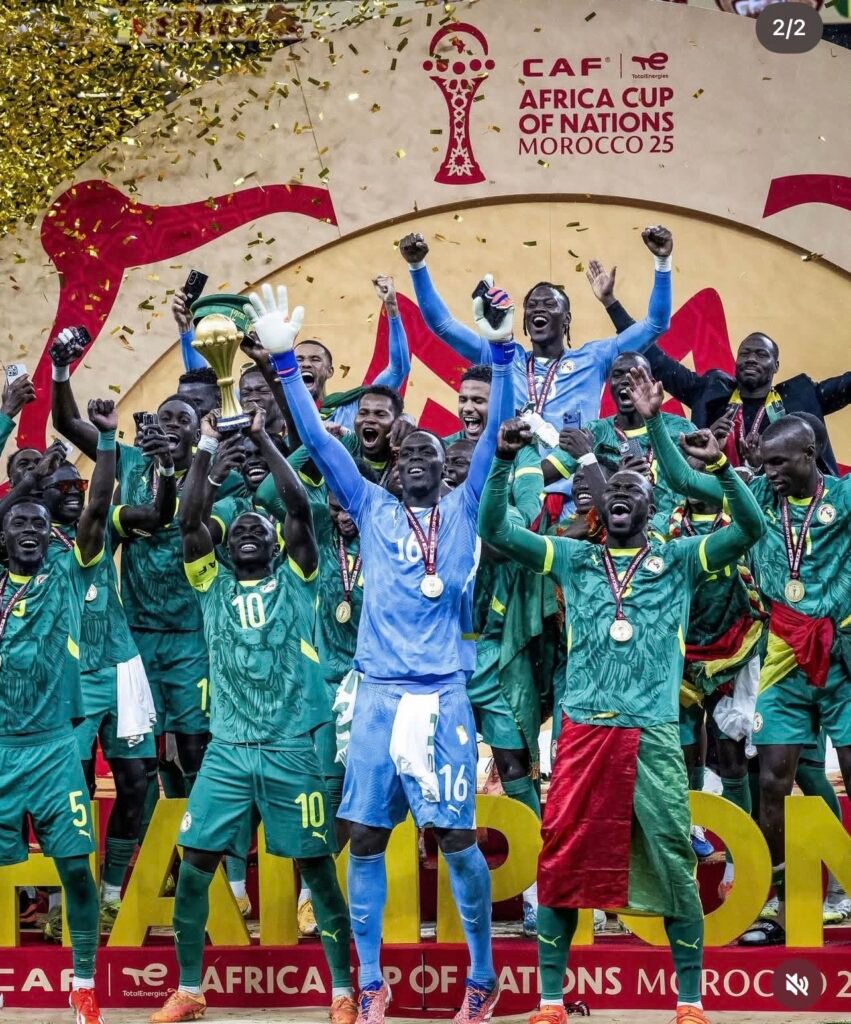
This incident raises bigger questions about the state of officiating in African football. Over the years, the AFCON tournament has delivered unforgettable moments, but it has also faced criticism over refereeing standards and the use of technology. Calls for improved VAR implementation and greater transparency are likely to grow louder after this ঘটনা.
Beyond officiating, the situation also highlights the psychological pressure players face in high-stakes matches. A single decision, especially in a final, can define careers, nations, and legacies. In such moments, emotions can override logic, leading to actions that have lasting consequences.
For Senegal, the consequences could extend beyond losing the title. Disciplinary actions, fines, or suspensions may follow, depending on how governing bodies assess the situation. It’s a bitter ending for a team that had fought hard throughout the tournament and was aiming to lift the trophy.

For African football as a whole, this moment will likely be remembered for years to come. Not for a winning goal or a historic performance, but for a decision, a protest, and a walk-off that changed everything.
As the dust settles, one thing is clear: this AFCON final will go down as one of the most controversial in history. It serves as a reminder of how quickly the beautiful game can turn into drama, where passion, pressure, and decisions collide in ways no one expects.
The hope now is that lessons will be learned—about officiating, about discipline, and about how the game should be protected even in its most heated moments.