France Midfield Battle Intensifies Ahead of 2026
Eduardo Camavinga struggles for form and game time with France national football team, raising concerns about his role ahead of the FIFA World Cup 2026.
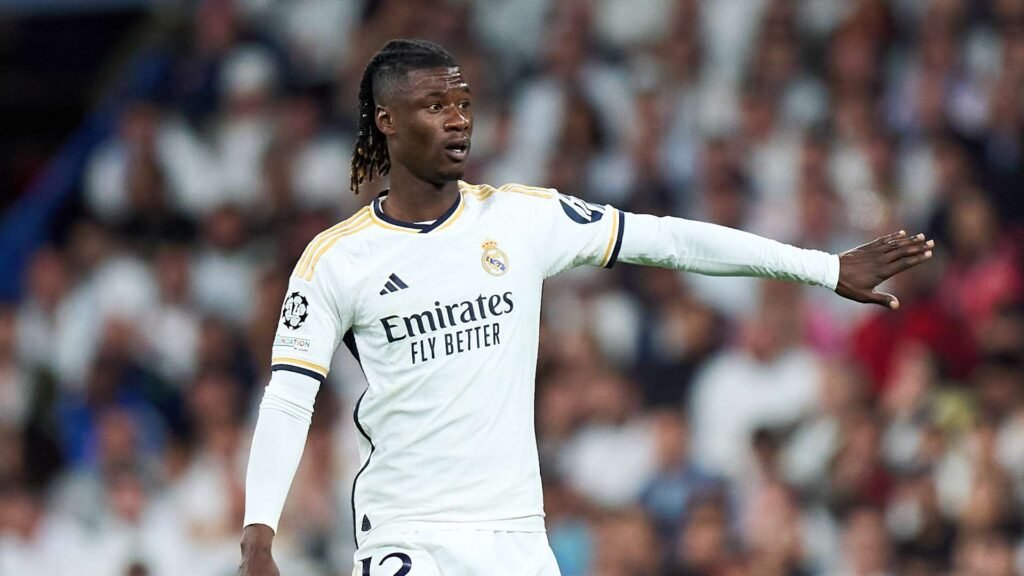
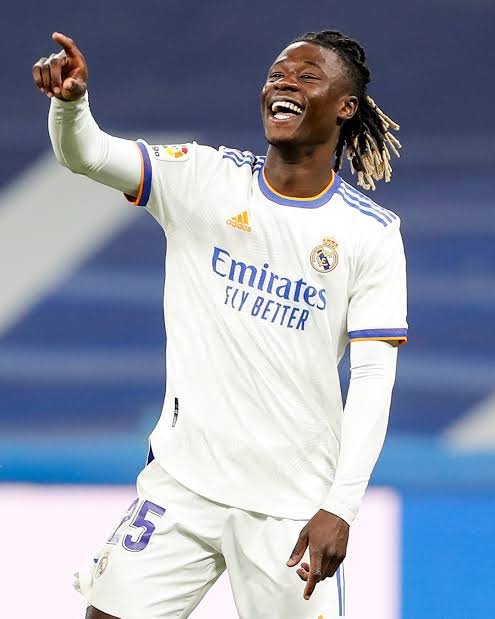
The road to the FIFA World Cup 2026 is already shaping up to be a defining journey for many top players, and for Eduardo Camavinga, it’s becoming increasingly challenging. Once viewed as a cornerstone of France’s future midfield, the young star now finds himself in a difficult position, battling for relevance both at club and international level.
Camavinga’s recent international break with the France national football team was far from ideal. Despite expectations that he would play a significant role, he struggled to make an impact. In the high-profile clash against Brazil, he was only introduced as a substitute, failing to influence the game in any meaningful way. The situation didn’t improve much against Colombia, where he managed just 27 minutes on the pitch. For a player of his talent and potential, such limited involvement raises serious questions.
Head coach Didier Deschamps appears to have shifted his trust toward other midfield options. Young talent Warren Zaïre-Emery and experienced star N’Golo Kanté both delivered strong performances during the break, effectively strengthening their positions in the squad. Deschamps openly praised Kanté, highlighting his consistency and reliability, while also emphasizing the importance of giving younger players opportunities to grow. This balance between experience and youth seems to be leaving Camavinga on the outside looking in.
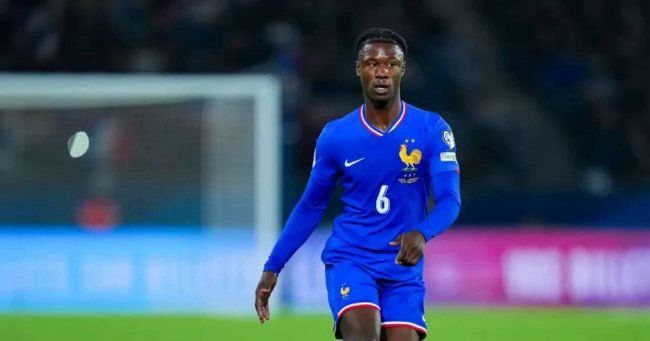
What makes the situation more concerning is the increasing competition within the midfield. Players like Manu Koné are expected to return to the squad soon, adding even more depth to an already competitive position. For Camavinga, this means that every minute on the pitch matters and so far, he hasn’t done enough to secure his place.
His brief appearance against Colombia summed up his current struggles. Rather than making a strong statement, he appeared off the pace, committing several errors and even picking up a yellow card. In contrast, his direct competitors showcased composure, tactical awareness, and consistency qualities that coaches value highly, especially in high-pressure international matches.
This dip in form is not limited to his performances with the national team. At Real Madrid, Camavinga has also faced challenges. Injuries and inconsistency have disrupted his rhythm, preventing him from establishing himself as a regular starter. In a squad filled with world-class talent and emerging prospects, maintaining a consistent level is crucial. Unfortunately, Camavinga has struggled to meet those expectations in recent months.
The competition at Real Madrid mirrors the situation in the national team. Younger players are pushing for opportunities, while established stars continue to deliver at a high level. This creates an environment where even a slight dip in form can result in reduced playing time. For Camavinga, it’s a reminder that talent alone is not enough consistency and performance are key.
Despite these challenges, it would be premature to write him off. At just 23 years old, Camavinga still has time on his side. His versatility, technical ability, and composure under pressure remain valuable assets. However, the margin for error is shrinking. With the World Cup approaching, players are being evaluated more closely, and competition for places is only going to intensify.
One of Camavinga’s biggest strengths has always been his adaptability. Whether playing as a defensive midfielder, central midfielder, or even filling in at left-back, he has shown a willingness to contribute wherever needed. This flexibility could still work in his favor, especially in a squad that values tactical options. However, versatility must be matched with consistent performances to truly make an impact.
Another factor to consider is confidence. Football is as much a mental game as it is physical, and a lack of regular playing time can affect a player’s self-belief. Camavinga will need to stay focused, work hard in training, and make the most of every opportunity he gets. A strong run of performances at club level could quickly change the narrative and put him back in contention for a starting role with France.
For Didier Deschamps, the decision-making process is straightforward: select players who are in form and capable of delivering results. This pragmatic approach has served France well in the past, and it’s unlikely to change anytime soon. As a result, Camavinga must prove that he deserves to be part of that vision.
Looking ahead, the coming months will be crucial. With qualifiers, friendlies, and club competitions on the horizon, there will be opportunities for redemption. Camavinga’s response to this setback will ultimately define his trajectory. Will he rise to the challenge and reclaim his place among France’s elite, or will he continue to struggle for relevance?
For now, the situation serves as a wake-up call. The journey to the FIFA World Cup 2026 is unforgiving, and only the best will secure their spots. Camavinga has the talent to be among them but talent alone won’t be enough. The time to act is now.