
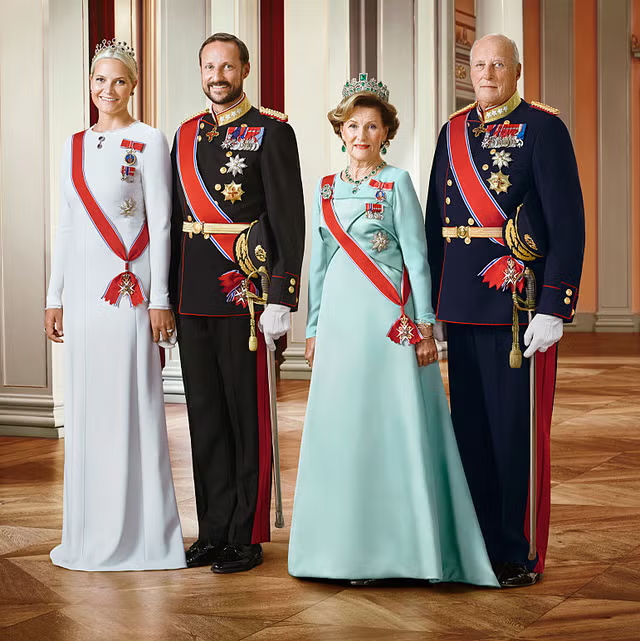
In a defining moment for Norwegian politics and national identity, the Norwegian Parliament (Stortinget)recently voted overwhelmingly to maintain Norway’s constitutional monarchy, rejecting a proposal to turn the Nordic nation into a republic. This historic decision highlights not only the current political landscape around the monarchy but also reflects shifting public perceptions, debates over democratic principles in modern governance, and an enduring connection to Nordic royal history
What Happened: The Parliamentary Vote
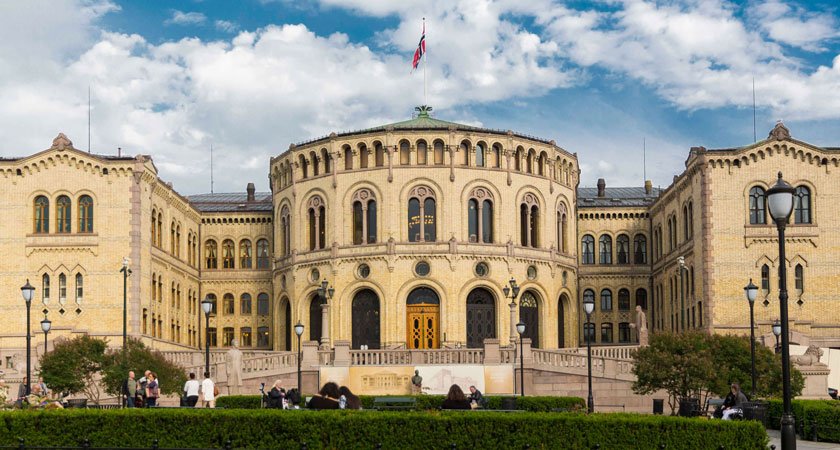
On February 3, 2026, Norway’s Stortinget held a long-planned vote on whether to abolish the monarchy and replace the King as head of state with an elected president. The result was decisive: 141 members voted to keep the monarchy and only 26 supported transitioning to a republic, firmly affirming the status quo under King Harald V.
Supporters of the monarchy argued that the institution, while largely ceremonial, provides stability and unity, positioned above partisan politics and preserving Norway’s constitutional traditions. Opponents, however, maintained that hereditary monarchy is incompatible with democratic ideals, favoring an elected head of state chosen directly by the people.
Despite recent reasons for dissatisfaction, including scandals surrounding individual royal family members, the institutional backing remains strong in Parliament — even if public opinion shows signs of increasing debate and division.
Changing Public Perceptions
Historically, monarchies in Scandinavian countries — including Norway, Denmark, and Sweden — have enjoyed strong popular support despite their largely symbolic roles. In Norway, support for the monarchy was traditionally high, often exceeding 80 % in past surveys.
Yet, in recent years that sentiment has softened significantly. More recent polling data — including a Norstat poll conducted for broadcaster NRK — suggests that support has now dipped to around 62%, down from 81 % several years earlier.
This shift comes alongside several controversies surrounding the royal family — most notably scrutiny over Crown Princess Mette-Marit’s past associations, including contact with the late convicted sex offender Jeffrey Epstein, which she publicly apologized for, acknowledging poor judgment.
Additionally, the ongoing trial of Marius Borg Høiby, the Crown Princess’s son from a previous relationship, on serious criminal charges has further fueled public debate about the institution’s relevance and moral standing in modern Norway.
While many Norwegians still value the monarchy’s symbolic role, opposition voices are growing louder, particularly among younger voters and political groups advocating for a republican model of governance.
Why Some Norwegians Still Support the Monarchy
Supporters of the monarchy in Norway often emphasize the cultural and historical significance of the royal family. Unlike absolute monarchies of the past, Norway’s royal family serves a ceremonial and representative function — acting as a symbol of national unity, continuity, and tradition.
For many citizens, the monarchy represents more than just an institution; it is interwoven with national identity, dating back to the early 20th century. In 1905, after Norway dissolved its union with Sweden, a referendum saw 79 % of voters choose a constitutional monarchy, leading to the election of Prince Carl of Denmark as King Haakon VII.
Supporters also note that Scandinavian royal families tend to live relatively simple royal lives compared with more extravagant monarchies elsewhere, reinforcing a perception of relatable service to the nation rather than ostentatious privilege.
Norway and Denmark: A Shared Royal Connection
Another fascinating aspect of Norway’s monarchy is its historical relationship with the Danish royal family. After the 1905 referendum, Norway offered the new throne to Prince Carl of Denmark, a member of the Danish royal house. Carl agreed to become Norway’s monarch only after insisting that Norwegians themselves vote on whether to keep a monarchy, ensuring democratic consent for his kingship.
He accepted the Norwegian throne as King Haakon VII, establishing the modern Norwegian royal house with deep roots in Danish royal lineage. This interconnection underscores centuries of shared royal heritage across the Nordic monarchies, including Denmark, Norway, and Sweden — nations that have historically exchanged dynastic ties through marriages, treaties, and political negotiations.
Today, while Norway and Denmark maintain separate constitutional monarchies, the historical bond and shared ancestry between their royal families remain significant in understanding Nordic royal heritage and public fascination with monarchy.
The Broader Debate: Monarchy vs. Republic
At its core, the debate over preserving the monarchy in Norway reflects a wider global conversation about democracy, heritage, and the role of symbolic institutions. Critics argue that hereditary privilege runs counter to democratic principles, which prioritize elected leadership and merit-based systems.
In contrast, supporters argue that constitutional monarchies like Norway’s function largely as non-political unifiers, providing continuity without wielding political power — a balancing act that many Norwegians still appreciate.
Political scientists note that while Scandinavian monarchies have evolved into ceremonial institutions, lingering debates persist over issues like transparency, costs to taxpayers, and whether ancient traditions remain relevant in the 21st century.
Norway’s recent parliamentary vote to retain the monarchy has reignited an important national discussion about heritage, democracy, and identity. While Parliament chose continuity, public sentiment shows a complex blend of pride, skepticism, and evolving opinion. From scandals and trials to historical ties with Denmark and deep cultural roots, the monarchy stands at a crossroads — emblematic of both tradition and transformation in modern Norway.
As global interest in constitutional monarchies fluctuates, Norway offers a compelling case study on how symbolic institutions adapt within democratic societies, navigating challenges from tradition and modernity alike.