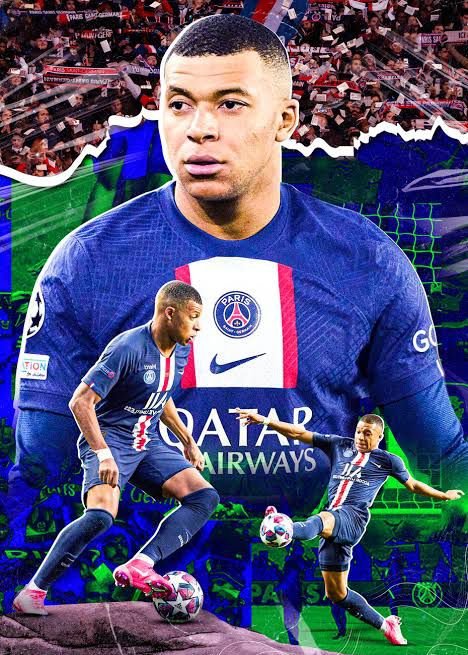
Financial Row Between Paris Saint-Germain and Kylian Mbappé Still Unsettled
Legal battle over unpaid wages and bonuses remains unresolved despite partial payment.
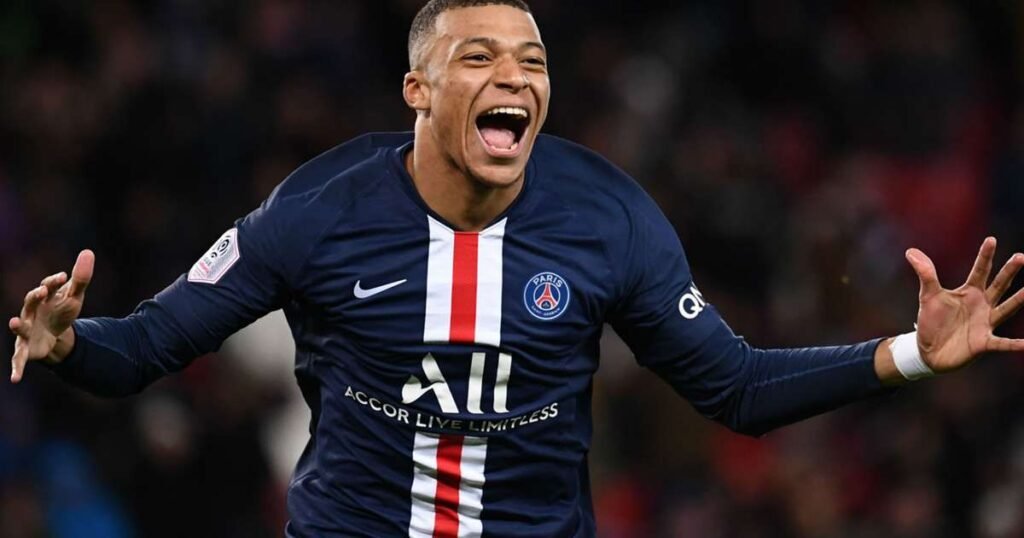
The long-running financial dispute between Paris Saint-Germain and Kylian Mbappé has taken another twist, showing that even after millions of dollars have been paid, the matter is far from finished. The French club recently transferred $4.3 million of the remaining $6.5 million it owed the striker, following a ruling delivered by the Conseil de Prud’Hommes in December. That judgment ordered the team to settle a total of $66 million in unpaid wages, bonuses, and related compensation dating back to the player’s final season in Paris.
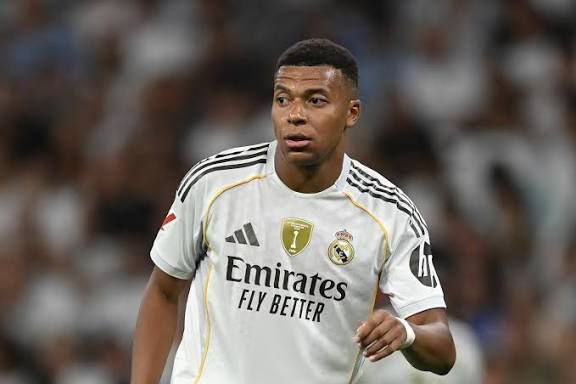
Initially, the club had already paid $59.7 million, but the outstanding balance triggered legal enforcement. Mbappé’s legal representatives escalated the matter by sending a bailiff to the club’s headquarters, a move that underlined how seriously the player’s camp views the enforcement of the court’s decision. While the payment made this week reduced the debt, it did not close the case, and the remaining sum reported to be around $2.2 million still hangs over the situation.
According to reports from L’Équipe, the club is hoping the forward might agree to waive part of what is still owed. The judgment also required the organization to publicly post the ruling on its official website for a month, an unusual measure that reflects the court’s desire for transparency and accountability. Negotiations between both sides are said to be ongoing, though they appear tense and highly structured, with little indication of a quick compromise.
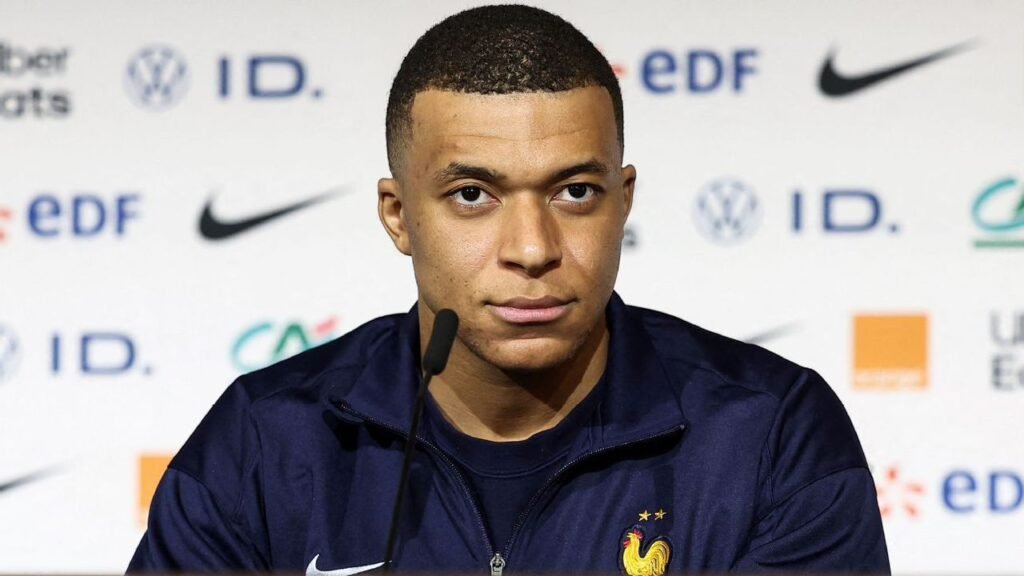
The roots of the dispute stretch back roughly 18 months, when Mbappé claimed he had not received significant portions of his salary and bonuses during the 2023/2024 season, his last campaign before departing the club. At the time, relations between the two parties were already strained, largely due to contractual disagreements and uncertainty surrounding his future. What began as an internal contractual issue soon escalated into a full legal confrontation once attempts at resolution failed.
From a legal perspective, the player’s case has consistently found support. Both France’s football authorities and the civil courts have ruled in his favor, reinforcing the argument that the payments were contractually due. The Ligue de Football Professionnel had earlier backed the claim before the matter progressed through the labor court system. Such alignment between sporting regulators and civil justice has made it increasingly difficult for the club to challenge the outcome.
Despite this, the Paris side is still considering an appeal in hopes of recovering some of the money it has been ordered to pay. Legal experts suggest that any such move would face significant obstacles, given that multiple bodies have already validated the original decision. Appeals in cases like this can prolong the process for months or even years, meaning the disagreement could continue well beyond the player’s departure from the team.
For Mbappé, the stance has remained firm. Through his lawyers, he has rejected the idea of mediation, signaling that he prefers full enforcement of the ruling rather than renegotiation. This approach reflects a broader determination to close what he views as unfinished business from his time in Paris. While his contractual relationship with the club officially ended in July 2024, the legal and financial ties have proven far more difficult to sever.
The saga highlights the growing complexity of modern football contracts, where massive salaries, loyalty bonuses, and image rights agreements can create disputes worth tens of millions. As player earnings rise, so too does the legal scrutiny surrounding how those agreements are honored. What might once have been settled quietly behind closed doors now unfolds in public courtrooms, attracting global attention.
For the club, the case is more than a financial obligation it is also about reputation. Being compelled to publish the judgment and face enforcement actions has placed it under an uncomfortable spotlight. For the player, meanwhile, the outcome represents a defense of contractual rights at the highest level of the sport.
Even with most of the money now paid, the story is not yet over. Unless the final balance is cleared and both parties formally end their claims, the dispute may continue to drag on, serving as a reminder that in elite football, separation between star players and their former clubs is rarely simple.