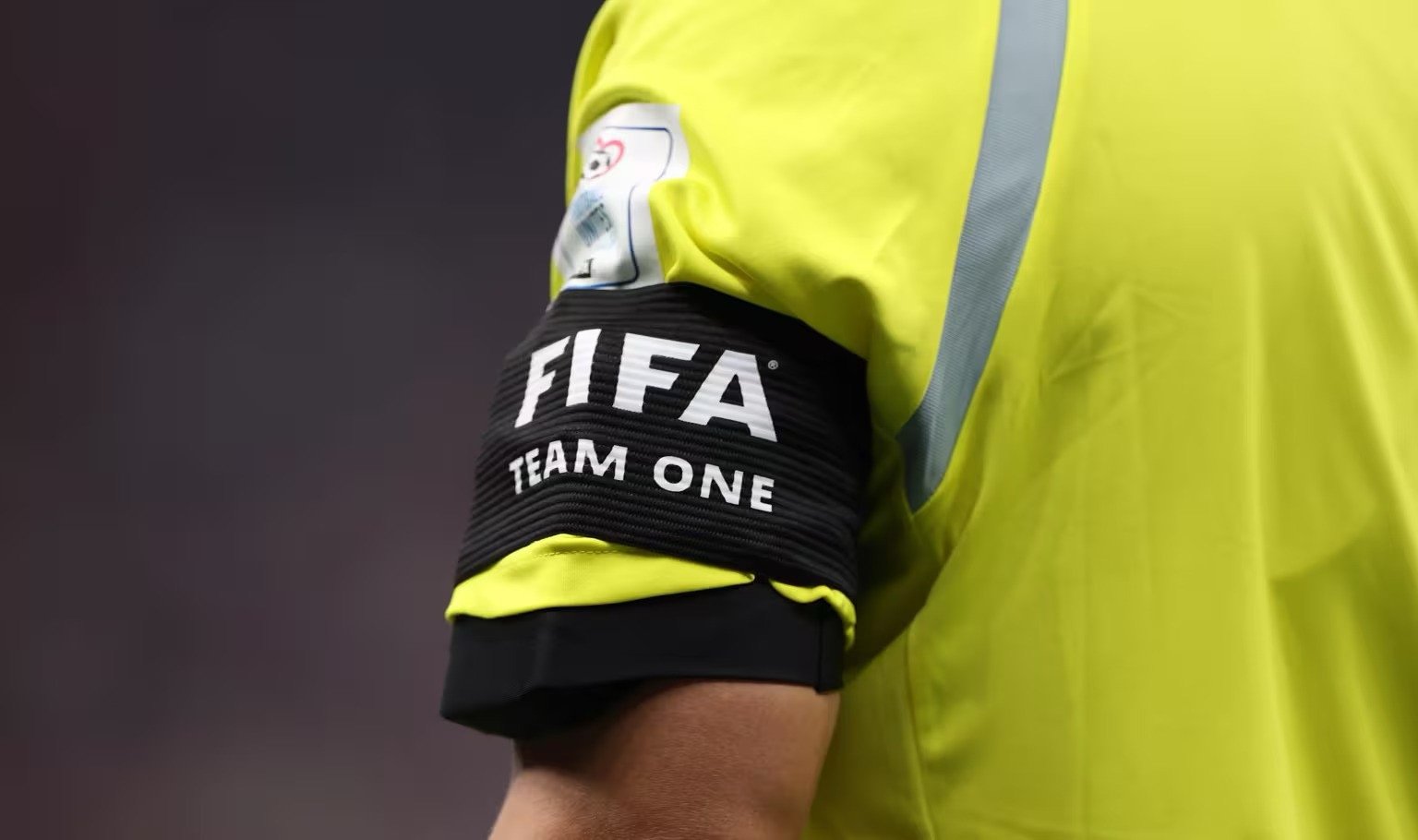
FIFA Unveils Historic Match Officials Selection
FIFA announces 2026 World Cup referees, with Europe leading the list and Asia second in representation.
a
The excitement for the upcoming FIFA World Cup 2026 continues to build, and now attention has turned to the officials who will be responsible for maintaining fairness on the pitch. On April 9, FIFA officially released the full list of referees and match officials selected for what is expected to be the biggest World Cup in history.
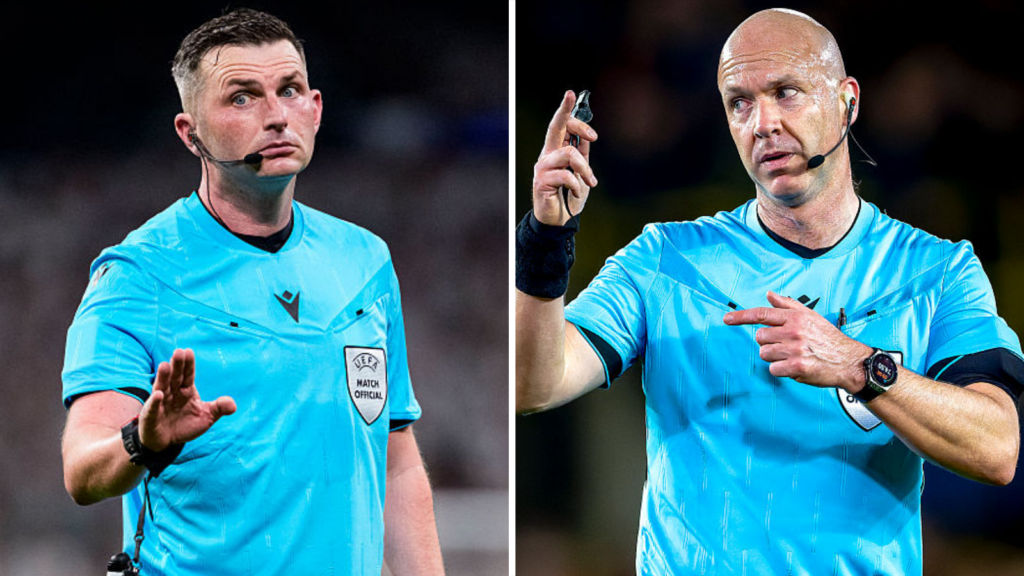
A total of 52 referees, 88 assistant referees, and 30 video match officials have been chosen after an intensive three-year evaluation process. These officials represent all six football confederations and come from 50 different Member Associations, highlighting the global nature of the tournament. However, one clear trend stands out—Europe leads the way.
With 18 referees selected, Europe has the highest representation among all continents. This comes as no surprise given the continent’s strong football infrastructure and history of producing elite referees. Among them is Szymon Marciniak, the Polish official who gained global recognition after officiating the final of the FIFA World Cup 2022. His inclusion reflects both experience and consistency at the highest level.
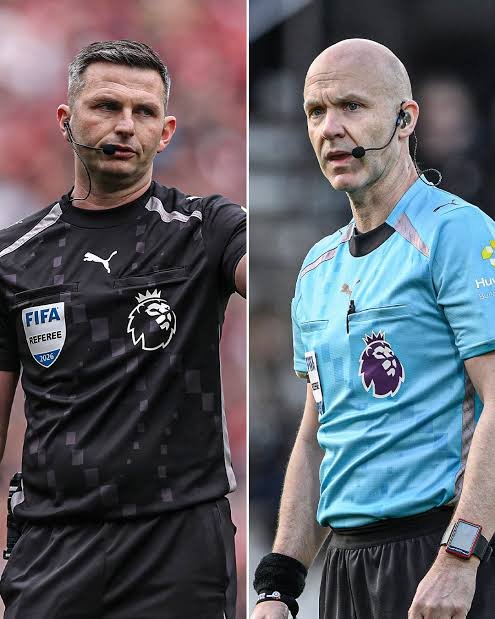
Asia follows as the second most represented region, with 11 referees selected. This shows the growing strength and development of refereeing standards across the continent. Other confederations also contribute significantly, ensuring that the selection remains balanced and inclusive.
According to Pierluigi Collina, the selection process was thorough and highly competitive. Only the best-performing referees made the final list. Over the past three years, candidates were closely monitored during FIFA tournaments as well as domestic and international matches. Their consistency, decision-making, and physical fitness all played a key role in their selection.
Collina emphasized that the chosen officials are not just skilled but also well-prepared. They have undergone extensive training, including seminars, workshops, and fitness programs. Medical teams, physiotherapists, and even mental specialists have been involved to ensure that referees arrive at the tournament in peak condition.
“This will be the biggest World Cup ever,” Collina noted, referring to the tournament’s expansion to 48 teams and a total of 104 matches. This increase means more pressure and responsibility for match officials, making their preparation even more critical.
Another notable development is the continued inclusion of female referees. Six women have been selected as part of the officiating team, continuing the progress made during the previous World Cup in Qatar. This move highlights FIFA’s commitment to diversity and the development of women’s refereeing on the global stage.
Technology will also play a major role in the tournament. Building on innovations from past competitions, FIFA plans to introduce advanced systems to support referees. Goal-line technology and an improved version of semi-automated offside technology will be used, along with connected ball technology to enhance decision-making accuracy.
For the first time in World Cup history, fans will also be able to experience matches from the referee’s perspective. Body cameras, supported by artificial intelligence stabilization software, will provide real-time footage, offering a unique insight into on-field decisions. This innovation is expected to bring fans closer to the action and increase transparency in refereeing.
Preparation for the tournament will begin in Miami, where the selected officials will gather for a ten-day seminar starting on May 31. During this period, they will train daily, often with the involvement of local players to simulate real match conditions. After the seminar, video match officials will move to Dallas, home of the International Broadcast Centre, while referees and assistant referees will remain based in Miami.
Massimo Busacca also highlighted the long journey leading up to this moment. He explained that the preparation started immediately after the conclusion of the 2022 World Cup. Through continuous monitoring and structured programs, referees have been pushed to meet the highest standards required for such a prestigious tournament.
In addition to the selection of referees, FIFA will also implement new measures aimed at improving the flow of matches. These include rules designed to reduce time-wasting and increase match tempo. Adjustments to the Video Assistant Referee (VAR) system protocol will also be applied, ensuring more efficient and accurate decision-making.
As the countdown to the 2026 World Cup continues, the spotlight is not only on players and teams but also on the officials who will enforce the rules of the game. With a record number of referees and advanced technology at their disposal, FIFA aims to deliver a tournament that is fair, transparent, and entertaining.
The selection of match officials reflects FIFA’s commitment to excellence and global representation. With experienced referees like Marciniak and a diverse group of officials from around the world, fans can expect a high standard of officiating throughout the tournament.
Ultimately, the success of the World Cup will depend not just on the goals scored or matches won, but also on the fairness and integrity of the competition. And with this carefully selected group of referees, FIFA is confident that the 2026 edition will set a new benchmark in football history.