UEFA’s disciplinary body has ruled Barcelona’s protest inadmissible following a controversial handball incident against Atlético Madrid in the Champions League quarter-final.
UEFA Dismisses Barcelona Protest After Atletico Clash
UEFA has officially rejected a protest filed by FC Barcelona following a controversial refereeing decision in their UEFA Champions League quarter-final clash against Atlético de Madrid.
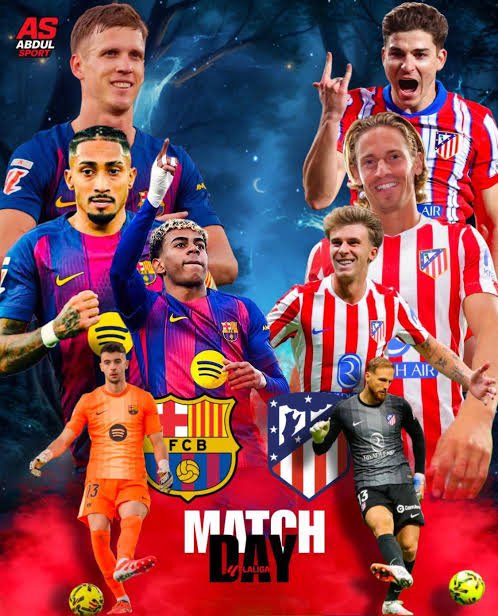
The decision, confirmed by UEFA’s Control, Ethics and Disciplinary Body (CEDB), comes after Barcelona challenged an incident involving a suspected handball that occurred during the first leg of the tie on April 8, 2026. The Catalan club had hoped for a review or possible action, arguing that a serious officiating error had taken place.
The Incident That Sparked Controversy
The moment in question happened in the 54th minute of the match. After Atlético’s goalkeeper released the ball, it began rolling in open play. Defender Pubill then made contact with the ball using his hand an action Barcelona players and staff believed warranted a whistle.
However, the referee allowed play to continue, with no intervention from the assistant referees or the Video Assistant Referee (VAR) team. The decision immediately sparked frustration among Barcelona players, who protested during the match but to no avail.
Following the game, Barcelona escalated the matter by filing an official complaint to UEFA. The club claimed that the referee and VAR officials failed in their duty by not addressing what they considered a clear infringement of the rules.
UEFA’s Final Verdict
In its official statement released on April 13, UEFA confirmed that the protest had been reviewed but ultimately deemed inadmissible. This means the case will not proceed further, and no retrospective action will be taken.
While UEFA did not provide an extensive breakdown of the reasoning behind the decision, such rulings typically hinge on strict guidelines regarding what constitutes a valid protest. Generally, challenges related to subjective referee decisionssuch as interpretations of handball are not eligible for disciplinary review.
This outcome effectively closes the case, leaving Barcelona with no further recourse through UEFA’s disciplinary channels.
Barcelona’s Frustration Grows
For Barcelona, the decision is a major setback. The club had strongly believed that the incident was not just a matter of interpretation but a clear error that impacted the integrity of the match.
Sources close to the team indicate that there is growing frustration over what they perceive as inconsistent officiating standards in high-stakes European matches. The club reportedly viewed the situation as a “dereliction of duty” by the match officials, emphasizing the role of VAR in preventing such controversies.
This is not the first time VAR decisions—or lack thereof—have sparked debate in the Champions League. Despite the technology being introduced to minimize errors, contentious moments continue to shape key matches.
Impact on the Tie
With the protest now dismissed, all focus shifts back to the pitch. The result of the first leg stands, and both teams must prepare for the decisive second leg.
Barcelona will need to regroup quickly, putting aside the disappointment of the ruling to concentrate on their performance. Atlético, on the other hand, will likely see this as a psychological boost, knowing the controversy will not affect the official outcome.
Matches between these two Spanish giants are often intense and closely contested, and this latest chapter only adds more drama to their rivalry.
Bigger Questions Around VAR
The incident once again raises broader questions about the effectiveness and consistency of VAR in modern football. While the system has reduced certain types of errors, it has also introduced new debates around interpretation and application.
Critics argue that the lack of intervention in situations like this undermines confidence in the system, especially when multiple officials have access to video replays. Supporters, however, maintain that VAR should not be used to re-referee every moment of a match.
As European football continues to evolve, the balance between human judgment and technological assistance remains a key talking point.