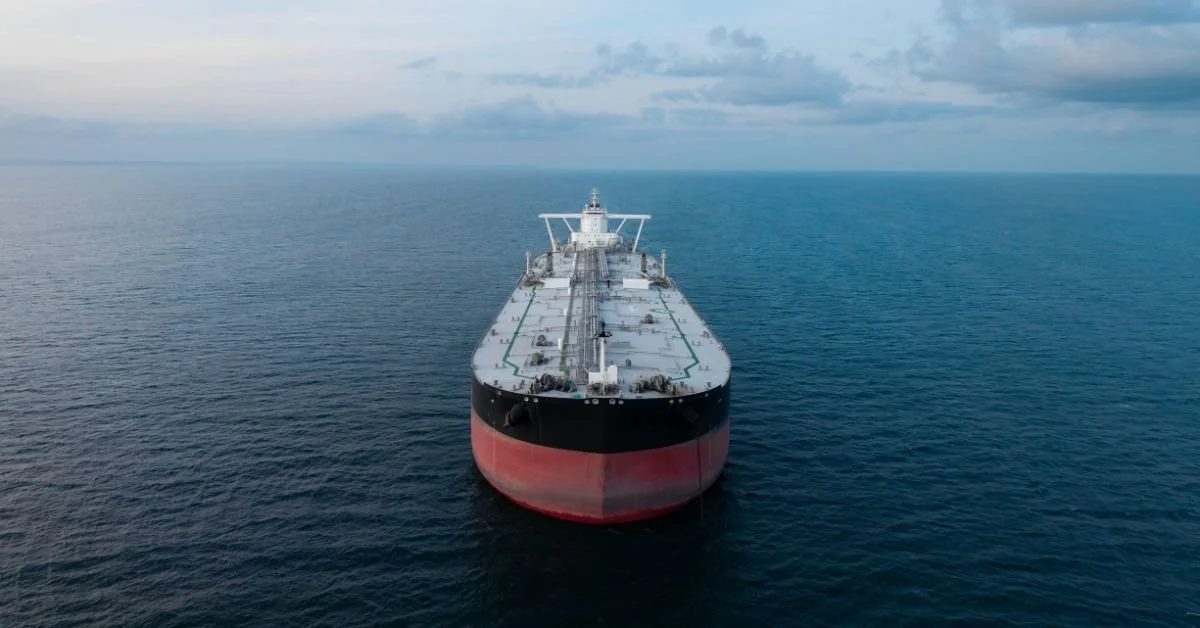
Strait of Hormuz disruption is spiking oil and gas prices, shaking European stock markets, and raising risks for inflation, food prices, and growth from London to Germany and the Nordics.
Europe doesn’t need to buy “all its oil” from the Gulf to feel the Gulf. In today’s conflict-driven energy system, a closure (or de-facto closure) of the Strait of Hormuz acts like a global price lever: it tightens supply expectations everywhere, raises shipping and insurance costs, and forces markets to reprice inflation and growth risks in real time.
That’s why the current Iran war—and the sudden disruption of traffic through Hormuz—has rattled European assets and reawakened a familiar fear: an energy shock that bleeds into everything else. The Strait is a genuine chokepoint: in 2024 it carried around 20 million barrels per day, roughly one-fifth of global petroleum liquids consumption.
What’s happening right now: prices first, policies second
The immediate market reaction has been straightforward: energy up, risk assets down.
- Oil prices jumped sharply as traders priced in supply and shipping disruption risk.
- European equities slid to recent lows, with travel and banks taking the brunt while energy and defense names outperformed.
- European gas markets have also been jolted because Hormuz matters for LNG flows and wider shipping confidence in the Gulf.
Europe’s policymakers are already reacting on the coordination side—because the first question is not “Will we run out tomorrow?” but “How ugly does the price shock become if this drags on?”
The transmission channels into Europe’s economy
1) Energy inflation: petrol, diesel, power, heating
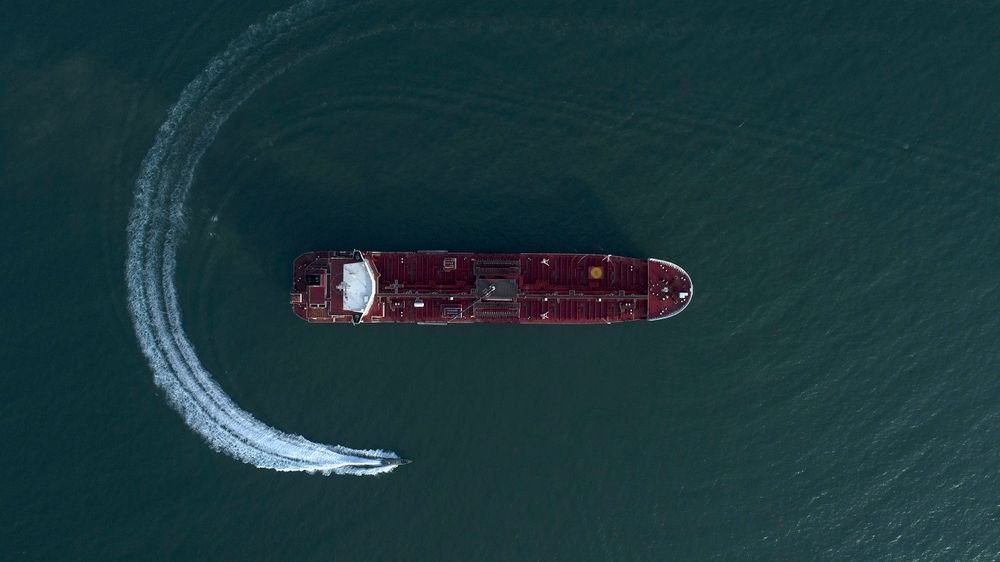
Even if Europe can source crude from elsewhere, global crude pricing means European consumers and businesses still pay more. That filters into:
- Transport costs (diesel for trucking, jet fuel for aviation),
- Industrial energy (chemicals, metals, glass, fertilizers),
- Household bills (indirectly through power markets and inflation expectations).
If disruption persists, the risk isn’t only higher prices—it’s the nasty combo of higher prices and weaker growth (stagflation pressure).
2) Shipping and supply chains reroutes, insurance, delays
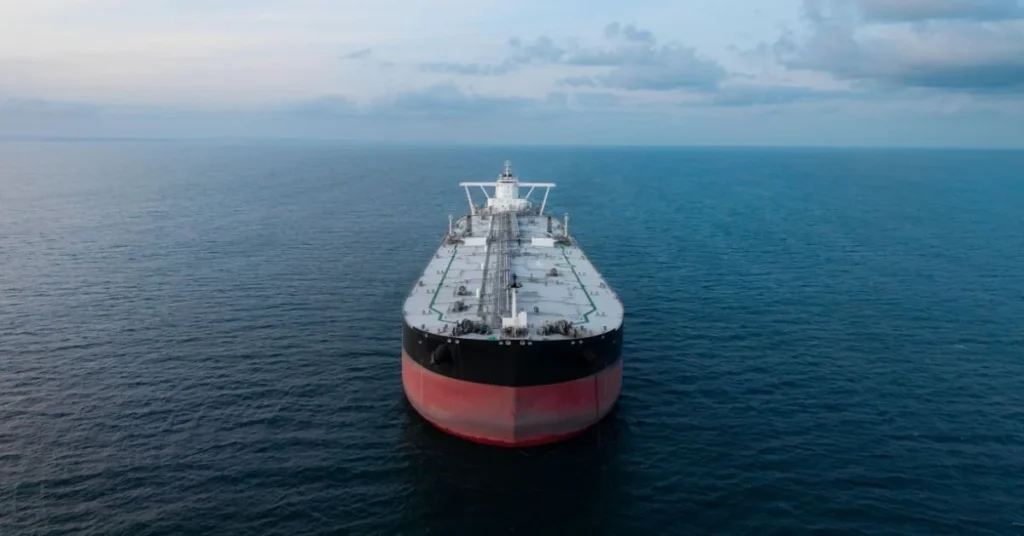
Oil tanker approaching the Strait of Hormuz, a critical global energy chokepoint
A Hormuz shutdown doesn’t just affect oil. It affects commercial confidence across Gulf routes. When ships pause, reroute, or demand higher war-risk premiums, costs rise across:
- manufactured inputs,
- consumer goods,
- anything time-sensitive.
Even a partial slowdown can create visible knock-on effects in European import prices—especially if carriers take longer routes or reduce capacity.
3) Food prices: diesel + fertilizer + packaging
Food inflation often arrives “second,” but it arrives. Two reasons:
- Diesel: agriculture and logistics are diesel-heavy (farm machinery, haulage, refrigerated transport).
- Fertilizer trade: Hormuz disruption also threatens fertilizer flows and shipping, pushing up input costs for farmers.
Europe won’t see supermarket shelves empty overnight, but headline inflation can re-accelerate if energy stays elevated—especially in countries already sensitive to food and fuel prices.
What about strategic reserves? Europe has a buffer—but it’s not a price shield
Europe maintains emergency oil stocks. EU rules require member states to hold minimum stocks equal to at least 90 days of net imports (or 61 days of consumption, whichever is higher).
That’s important for physical security of supply. But strategic stocks don’t automatically “undo” market pricing. Governments typically release stocks only when the disruption is severe and prolonged, and even then, releases often smooth volatility rather than restore pre-crisis prices.
On gas, the picture is more delicate. Reports tied to EU briefings indicate European gas storage is around 30% full and below last year’s level for the same time manageable as winter ends, but not comfortable if the shock intensifies going into refill season.
How this looks in key European hubs
London and the UK: inflation nerves and market rotation
London is feeling this as a classic “macro shock”:
- The FTSE can look relatively resilient because it’s heavy in global energy and commodities, but airlines, travel, and rate-sensitive sectors get hit.
- The bigger issue is policy: higher oil lifts inflation and can complicate the Bank of England’s rate path, delaying cuts if the shock persists.
Likely outcome if the conflict drags on: weaker consumer sentiment, stickier inflation, and choppier UK assets—especially anything tied to discretionary spending and travel.
Germany: the industrial gut-check
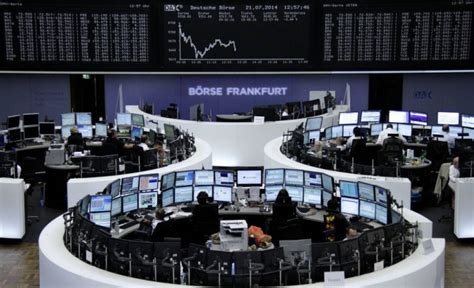
Traders at the Frankfurt stock exchange as European markets react to energy shock.
Germany’s exposure is less about “do we have oil?” and more about cost structure:
- Energy-intensive manufacturers are vulnerable to renewed power and fuel cost pressure.
- Exporters face higher shipping costs and weaker global demand if the shock slows the world economy.
- German equities have already reacted with broad risk-off moves.
Likely outcome: margin squeeze in industrials, pressure on business confidence, and renewed debate about competitiveness and energy strategy.
Nordics (Stockholm as a lens): cleaner power helps, but fuel still bites
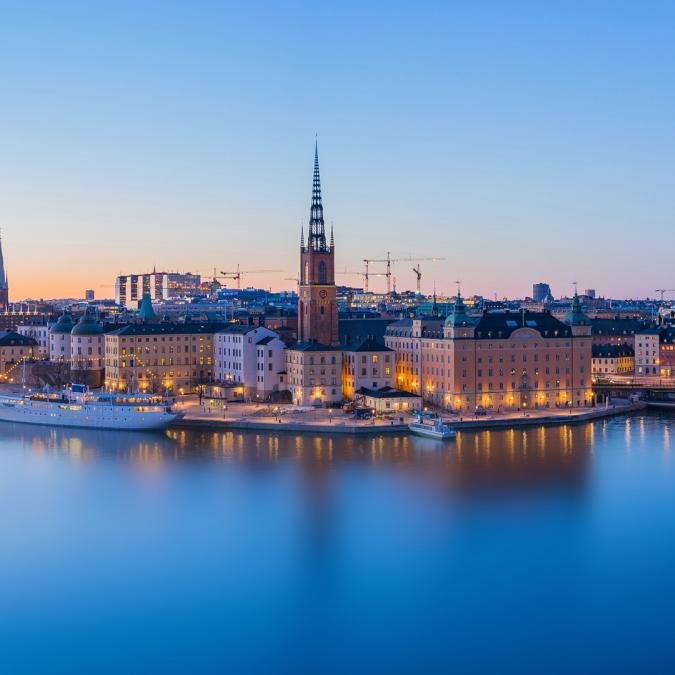
Stockholm skyline representing Nordic markets amid energy-driven volatility.
The Nordics often have a partial cushion via electricity generation mixes (hydro, nuclear, wind). That can soften the blow on household power prices relative to more gas-dependent regions.
But Stockholm—and Sweden more broadly—still feels:
- transport fuel inflation,
- shipping and logistics costs (Nordic trade is export- and freight-heavy),
- market volatility as investors shift away from cyclical risk.
Likely outcome: less of an electricity crisis, more of a transport-and-trade inflation pulse, plus a risk-off mood on Nordic equities if Europe’s growth outlook worsens.
Stock markets: what to watch next
This kind of shock typically creates fast “provisions” (positioning) in markets:
- Outperformers: energy producers, defense, certain shipping-related plays.
- Underperformers: airlines/travel, banks with regional exposure, consumer discretionary, and highly leveraged growth names.
If shipping disruption persists, watch:
- oil price range expectations (analysts have discussed elevated prices while flows remain uncertain),
- European gas benchmarks (TTF sensitivity),
- inflation prints and central bank rhetoric (ECB/BoE patience vs. cuts).
Bottom line
Even if your original source frames it as “10% of petrol oil,” the bigger point is this: Hormuz is systemically important, and Europe is exposed through global pricing, shipping, and inflation psychology. The first wave is energy and markets. The second wave is food, transport, and monetary policy. The third wave—if the war continues—is growth damage.