Tehran Streets Fill With Chants, Military Displays, and Growing Fear as US-Iran Tensions Escalate Again
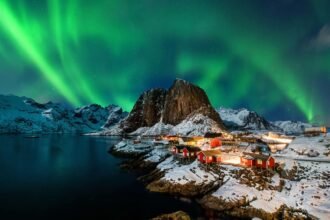
As darkness settles over Tehran and the snow-covered Alborz Mountains disappear into the night sky, thousands of Iranians continue pouring into the streets for state-backed rallies calling for resistance against the United States. The gatherings, held in major squares and districts across the capital, reflect the growing tension surrounding renewed threats from US President Donald Trump and fears that diplomacy between Washington and Tehran may once again collapse into open confrontation.
Near the busy Tajrish Square in northern Tehran, crowds wave Iranian flags while chants of “Death to America” echo through loudspeakers and packed streets. Vendors move through the crowds selling tea, patriotic scarves, badges, and caps decorated in the colors of the Iranian flag. Young people, families, veterans, and religious supporters gather shoulder to shoulder in what officials describe as “night resistance rallies.”
Many attending the demonstrations say they are prepared for whatever may come next.
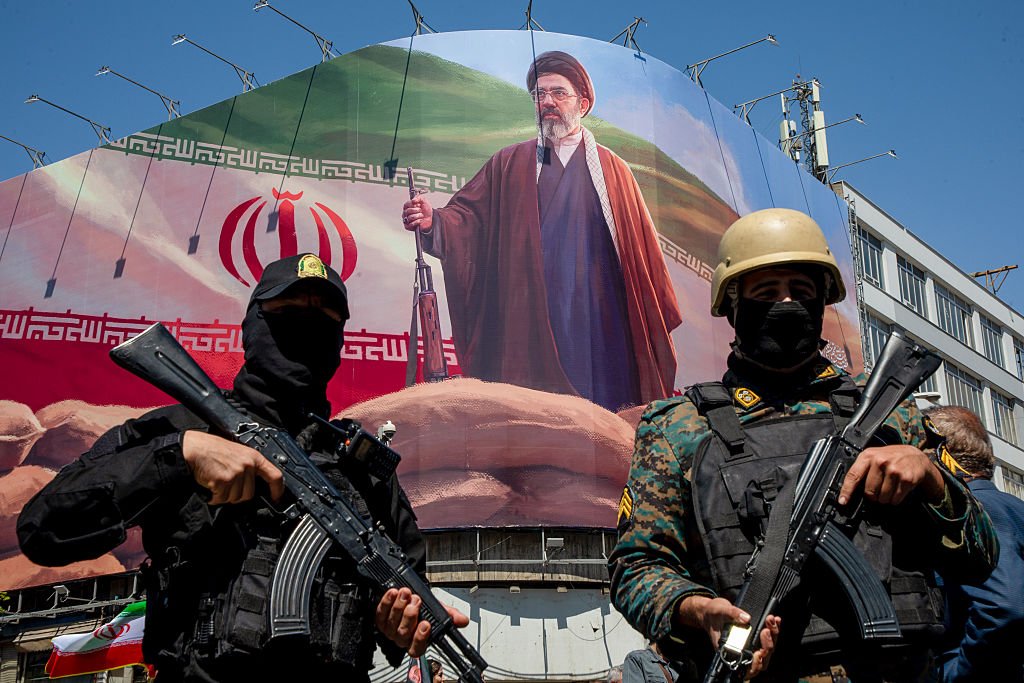
“I am ready to sacrifice my life for my country,” said a young woman identified as Tiana, speaking passionately while wearing glasses painted in the colors of Iran’s national flag. Around her, speakers blasted patriotic songs praising Iran’s military and political leadership. She insisted that the country’s armed forces were fully prepared to respond to any attack.
The demonstrations intensified after Trump issued a fresh warning on his Truth Social platform, accusing Iran of delaying negotiations and threatening severe military consequences if talks fail to progress.
“For Iran, the clock is ticking,” Trump wrote. “They better get moving fast, or there won’t be anything left of them.”
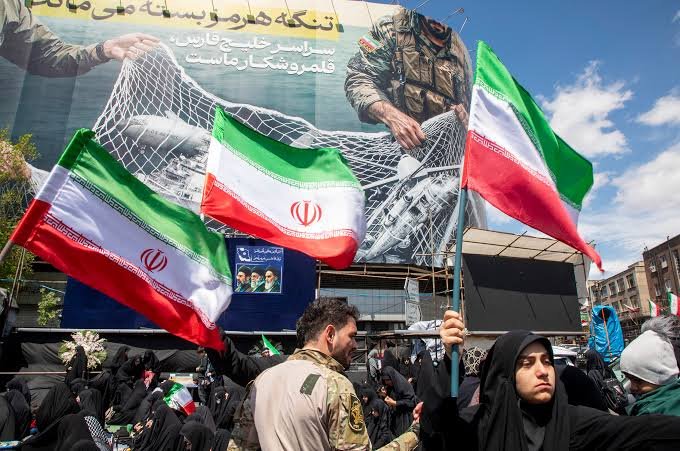
The statement quickly spread across Iranian media and social platforms, further fueling anger among hardline supporters and increasing anxiety among ordinary citizens already exhausted by years of sanctions, political isolation, and regional instability.
Among the rally participants was an elderly man carrying a handwritten sign defending Iran’s nuclear and missile programs. The message declared that Iran’s technological capabilities were as important as protecting its national borders.
“Nuclear and missile technology is part of our security,” he said firmly. “We need nuclear energy for peaceful purposes, not for making bombs.”
He also accused the United States of using the nuclear issue as a political excuse to pressure Iran regardless of the country’s actual intentions.
As tensions rise, many Iranians appear increasingly convinced that another military confrontation may be unavoidable. Several people attending the rallies expressed deep skepticism toward diplomatic negotiations with Washington, claiming they no longer believe the United States is seriously interested in compromise.
Fatima, a woman who said she had spent years living between London and Dubai before returning to Iran, described the current situation as deeply worrying.
“We know this war isn’t really over,” she said. “Trump talks about negotiations, but many people feel the pressure is leading toward military action no matter what happens.”
The “night gatherings” have reportedly become a regular feature across Iran in recent months. Organized with support from local authorities and state institutions, the events are designed to strengthen national unity and prepare public opinion for the possibility of further conflict with the United States and Israel.
But beyond the rallies, even more alarming scenes have started appearing in parts of Tehran.
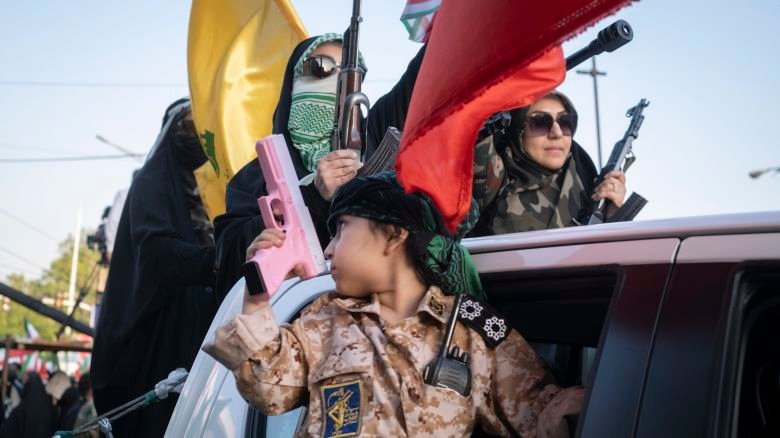
In recent days, public spaces have reportedly hosted military-style training sessions for civilians. In Vanak Square, groups of men and women were seen learning how to hold and operate AK-47 rifles under the supervision of uniformed instructors believed to be connected to the Islamic Revolutionary Guard Corps, commonly known as the IRGC.
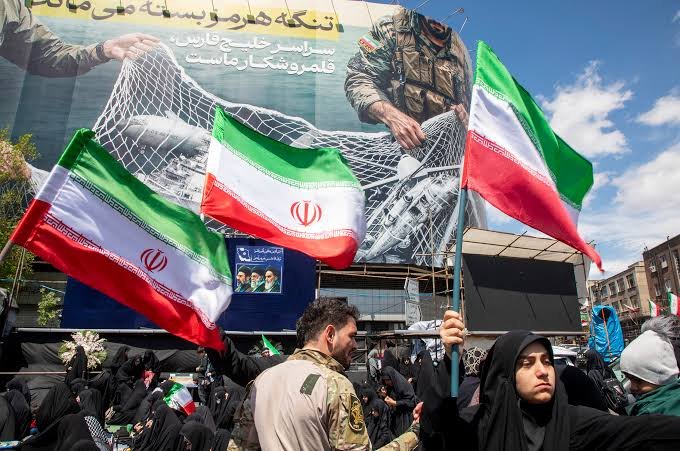
Videos circulating online and reports from local observers suggest that the message of national resistance is also being reinforced through Iranian state television. In one widely discussed broadcast, a television presenter appeared receiving firearm instruction live on-air from a member of the IRGC before firing a weapon inside the studio. Another presenter, this time a woman holding a rifle, spoke to viewers about the importance of preparedness and public training initiatives.
The broadcasts have drawn strong reactions online, with supporters praising them as symbols of national readiness while critics accuse the government of pushing fear and militarization into everyday life.
Despite the aggressive rhetoric dominating state-backed events and media coverage, not every voice in Tehran reflects the same militant mood.
Only a short distance away from the crowded rallies, life in other parts of the capital continues quietly. Families sit together in parks, couples walk through tree-lined streets, and students gather at cafés discussing exams, music, and future opportunities rather than war.
In calmer cultural areas near Tajrish, vendors continue selling books and tea while musicians perform for small crowds. Some residents intentionally avoid the demonstrations altogether, hoping normal life can continue despite the political tension.
“No to war,” one young man quietly said while walking through the district, refusing to stop for interviews.
A university professor, who requested anonymity while sitting beside her husband in a public garden, spoke softly about the fears many ordinary citizens now carry.
“We just want a normal life,” she said. “We want our children to have a future without fear, without sanctions, and without another war.”
Her comments reflected a quieter but significant perspective shared by many Iranians who feel trapped between foreign pressure and domestic political tensions.
For now, uncertainty continues to dominate the atmosphere across Iran. While officials project strength and resistance, ordinary citizens remain divided between nationalism, fear, frustration, and hope for stability.
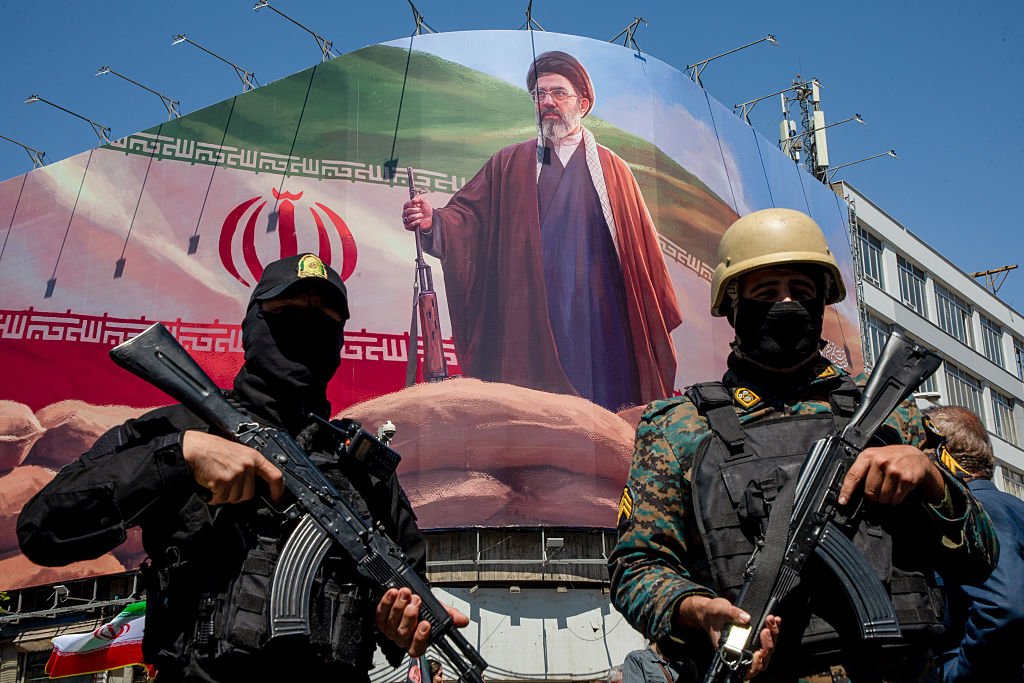
As negotiations remain fragile and threats from Washington continue to intensify, Tehran stands suspended between diplomacy and the possibility of another dangerous chapter in the long-running conflict between Iran and the United States.