
FIFA Officials Promise Tougher Action on Physical Play as Arsenal’s Set-Piece Tactics Spark Debate
The debate surrounding physical battles inside the penalty box has once again taken center stage in world football after FIFA officials signaled a tougher stance ahead of the FIFA World Cup. Concerns over excessive grappling, shirt-pulling, blocking, and holding during set pieces have continued to grow in recent seasons, particularly in the Premier League, where several clubs have adopted highly aggressive routines during corners and free kicks.
Speaking ahead of the tournament, former Swiss international goalkeeper and current FIFA Technical Study Group head Pascal Zuberbühler admitted that FIFA is closely monitoring these incidents and expects referees to intervene more decisively during matches.
According to Zuberbühler, referees selected for the World Cup are being trusted to take control of situations where players excessively wrestle or obstruct opponents inside the box. FIFA believes the growing trend has started to damage the fairness of set-piece situations, especially for goalkeepers who often struggle against multiple attackers crowding around them.
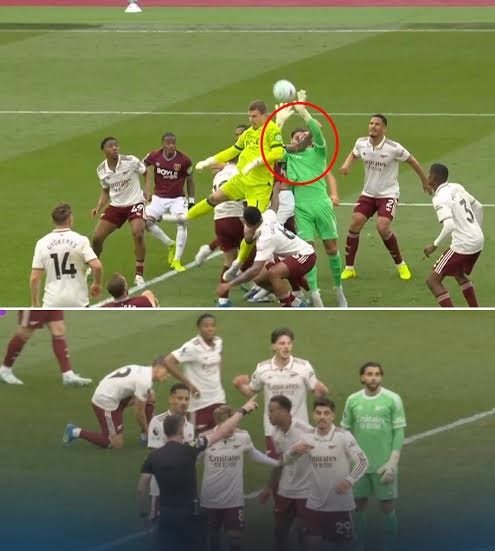
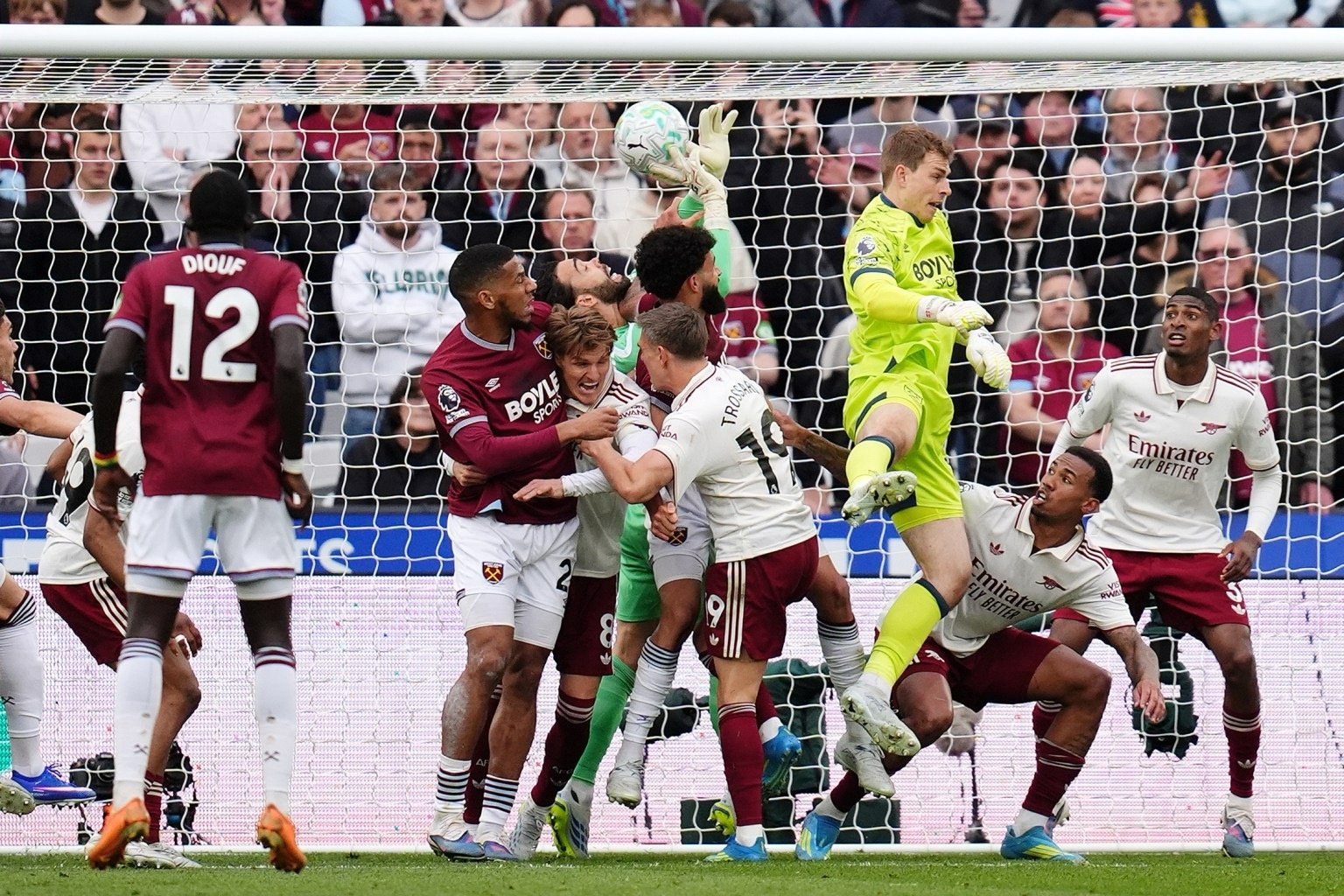
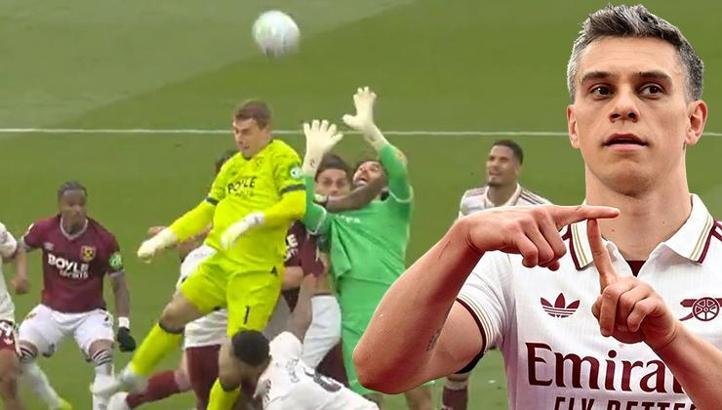
The issue recently exploded into public discussion following a controversial Premier League clash involving Arsenal and West Ham United. During stoppage time, West Ham thought they had scored a dramatic equalizer through Wilson after a dangerous corner kick delivery. However, the goal was eventually disallowed after referee Chris Kavanagh judged that an infringement had occurred on Arsenal goalkeeper David Raya moments before the ball crossed the line.
West Ham officials reportedly sought clarification from the Professional Game Match Officials Limited after replays appeared to show multiple Arsenal defenders tightly grappling opponents inside the six-yard area. The incident immediately divided football fans and pundits across England.
While several former players and analysts defended the referee’s decision, arguing that Raya had clearly been fouled, others believed Arsenal’s own physical defending should also have been punished. The controversy quickly reignited wider conversations about how much contact should be allowed during corners and set pieces.
Zuberbühler did not hide the fact that Arsenal’s style has become one of the main talking points in discussions about physical play. He acknowledged that similar situations have become increasingly common in the Premier League and warned that referees at the World Cup would be expected to react faster and more firmly.
“We have seen this, especially in the Premier League with Arsenal. This has become a trend,” Zuberbühler explained. “But I believe that in our World Cup, with the best referees from around the world, they will be key to handling this type of situation.”
The FIFA official admitted that managing such incidents is far from easy. Modern set pieces often involve more than ten players fighting for position simultaneously, making it extremely difficult for referees to detect every foul in real time. Goalkeepers, in particular, frequently complain about being blocked, pushed, or held while trying to claim crosses.
According to Zuberbühler, FIFA understands the pressure referees face but remains confident that elite officials can maintain control if they remain vigilant from the opening matches of the tournament.
“There are many small fouls against the goalkeeper in the penalty area, and the referee has to judge between many players,” he said. “Although it is not easy to do this, I am very confident that we have the best referees and we will handle this type of situation properly.”
The comments are being viewed by many football observers as a direct warning to teams that heavily rely on aggressive set-piece routines. Over the past few seasons, clubs across Europe have increasingly used tactical blocking and physical interference to create scoring opportunities from corners. Some coaches view it as smart tactical innovation, while critics believe it crosses the line into unfair play.
Arsenal manager Mikel Arteta has often praised his team’s organization and intensity during dead-ball situations. The London club has become one of Europe’s most dangerous sides from corners and indirect free kicks, scoring numerous important goals through rehearsed routines. However, opponents frequently accuse Arsenal players of pushing the limits of the rules.
FIFA’s latest stance suggests officials want to prevent World Cup matches from descending into chaos during set pieces. Sources close to football lawmakers indicate that the International Football Association Board is already discussing possible rule adjustments aimed at reducing excessive holding and wrestling in the future.
However, reports suggest that any major rule changes would only be introduced after the World Cup. For now, FIFA’s focus is on ensuring referees consistently apply the existing laws of the game.
This means players and coaches entering the tournament may need to quickly adapt their approach. Teams that rely heavily on physical set-piece tactics could find themselves punished more often than they are in domestic competitions.
The issue also highlights a growing challenge within modern football. As tactical systems become more advanced and detailed, players constantly search for small advantages in crowded situations. Referees are therefore under enormous pressure to balance physical competition with fair play.
For goalkeepers, stricter officiating could provide much-needed protection. Many keepers have complained for years that they receive less protection than outfield players despite operating in dangerous and crowded areas during corners.