US Intelligence Warns Iran’s Drone and Missile Recovery Is Accelerating
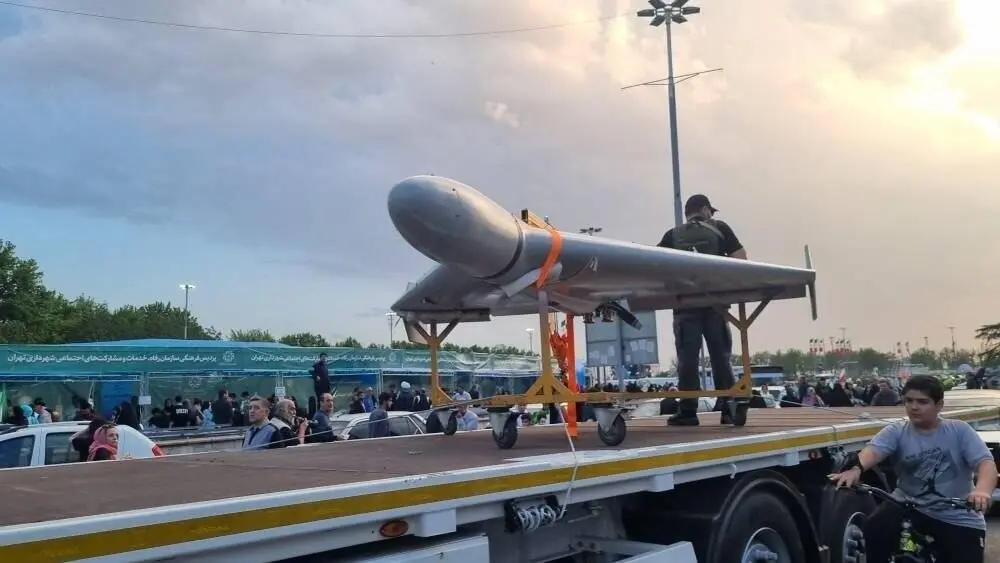
Iran is reportedly rebuilding its military industrial base far quicker than many Western officials initially expected, according to new US intelligence assessments. The reports suggest that despite heavy strikes targeting Iranian military facilities earlier this year, Tehran has already restarted key defense production activities, especially drone manufacturing.
The development is raising fresh concerns in Washington, Tel Aviv, and across the Middle East as tensions in the region remain high. Security experts believe Iran’s ability to recover rapidly could significantly affect the balance of power if another conflict eruates in the near future.
According to sources familiar with the intelligence findings, Iran resumed parts of its drone production during the six-week ceasefire that began in early April. This early recovery surprised many analysts who had expected the strikes to slow Iran’s military rebuilding process for much longer.
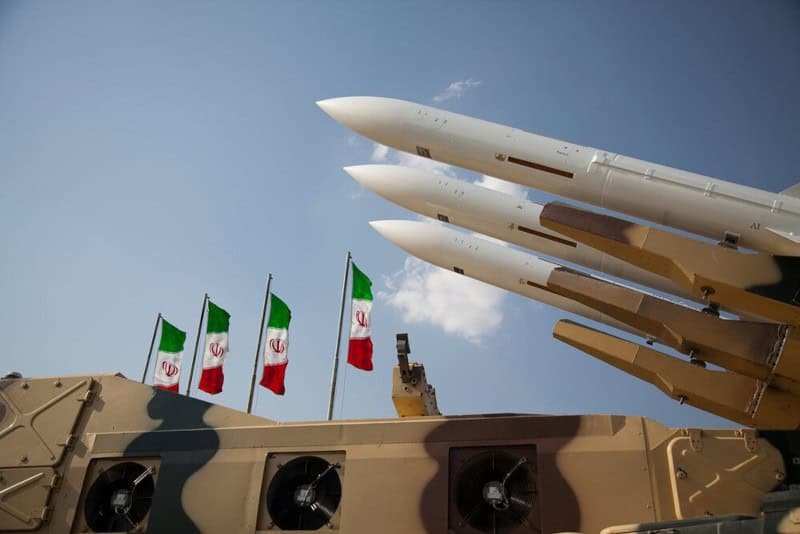
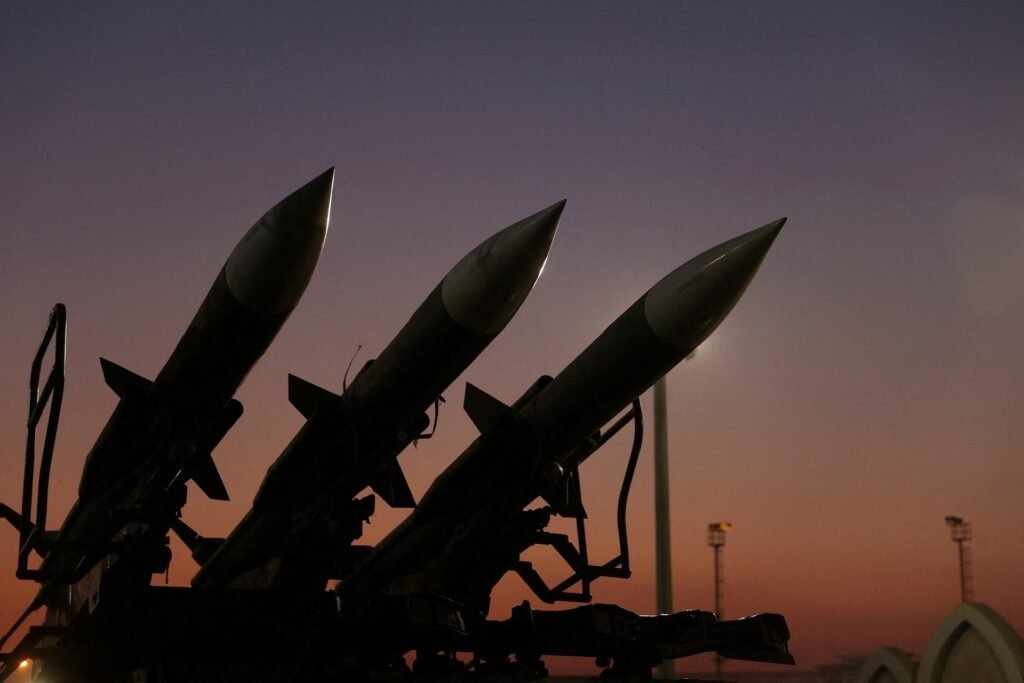
US intelligence officials now believe Iran is restoring missile launchers, weapons facilities, and drone production centers at a pace much faster than originally estimated. One American official reportedly stated that Tehran had already exceeded the timelines expected by intelligence agencies for rebuilding damaged military infrastructure.
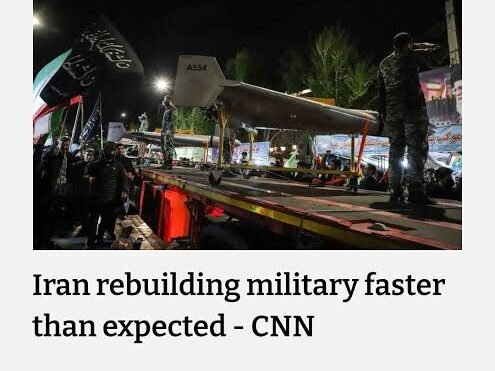
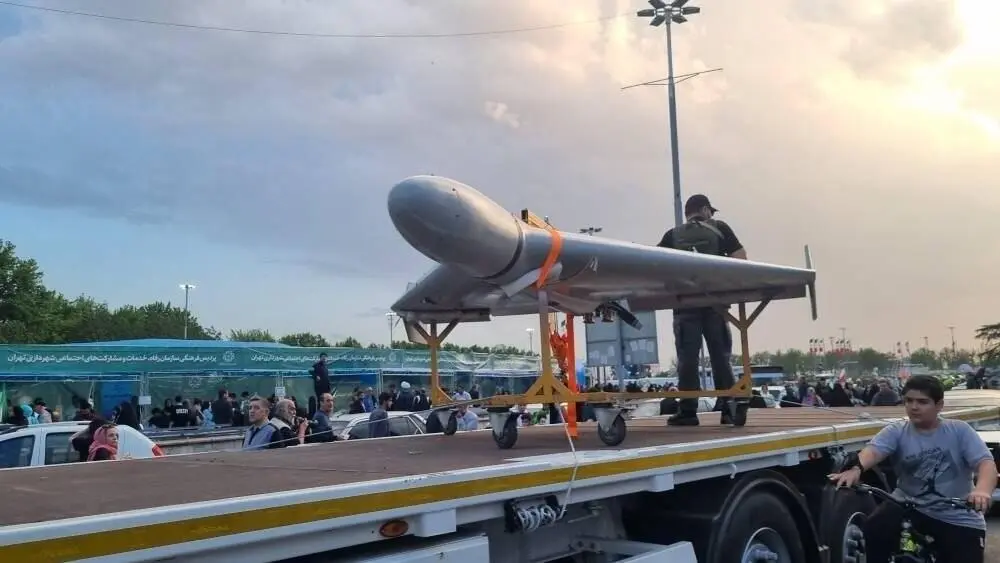
The speed of the recovery has become a major topic of concern because drones have become one of Iran’s most important military tools in recent years. Iranian drone technology has been used both directly and through allied armed groups across the Middle East. These unmanned systems are relatively inexpensive, easy to produce in large numbers, and capable of carrying out long-range attacks.
Military analysts say that if Iran successfully restores its drone attack capability within months, it could quickly regain the ability to pressure regional rivals, including Israel and Gulf nations. Some assessments suggest Iran may fully restore certain operational drone capabilities in as little as six months.
The intelligence reports also indicate that Iran may still possess a large portion of its original missile and drone inventory despite the strikes. Some sources claim that up to two-thirds of Iran’s missile launchers may still be intact, hidden, or repairable. Thousands of drones are also believed to remain available for future military operations.
This mixed picture has created disagreement between military officials and intelligence analysts over the true extent of the damage caused by recent attacks. While US Central Command previously claimed the strikes had severely weakened Iran’s defense industry, intelligence findings appear to present a more complicated reality.
American military officials had earlier suggested that as much as 90% of Iran’s military industrial base had been destroyed during operations. However, intelligence sources cited in recent reports dispute that figure, arguing that many facilities either survived the attacks or were repaired faster than expected.
Part of Iran’s quick recovery may be linked to its experience operating under years of sanctions and military pressure. Over the decades, Tehran has developed underground facilities, decentralized production networks, and local manufacturing systems designed specifically to survive military attacks.
Analysts believe this strategy may now be helping Iran restart production lines rapidly even after suffering major strikes. Instead of depending on a few large factories, Iran appears to rely on multiple smaller sites spread across different regions, making complete destruction extremely difficult.
Another factor reportedly being examined by US intelligence is possible foreign support. Some officials suspect that Russia and China may be indirectly assisting Iran with military technology, components, or logistical support.
Israeli Prime Minister Benjamin Netanyahu has publicly accused China of supplying Iran with materials used in missile production. Beijing has denied those accusations and insists it does not support military escalation in the region.
Russia’s relationship with Iran has also drawn attention, especially after the two countries expanded military cooperation in recent years. Iran previously supplied drones to Russia during the war in Ukraine, strengthening ties between both governments.
Even so, experts caution that there is still limited public evidence proving the exact scale of outside assistance currently helping Iran rebuild its military capabilities.
Another major concern involves Iran’s coastal missile systems. Intelligence reports suggest that many of these systems remain operational despite recent attacks. This means Iran could still threaten shipping routes in critical waterways such as the Strait of Hormuz.
The Strait of Hormuz remains one of the world’s most strategically important maritime routes because a large percentage of global oil shipments pass through it every day. Any disruption there could quickly affect international energy markets and increase global economic pressure.
Security analysts warn that if tensions rise again, Iran may rely heavily on drones and coastal missile systems rather than traditional large-scale warfare. This strategy would allow Tehran to apply pressure while avoiding direct prolonged military confrontation.
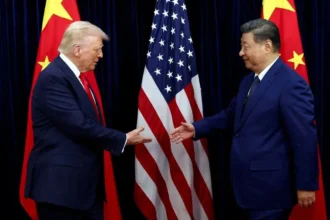
The intelligence assessments arrive at a sensitive political moment as discussions continue over possible future US policy in the Middle East. Former US President Donald Trump has repeatedly maintained a hardline stance toward Iran and has previously warned about potential military action if tensions escalate further.
Regional allies are now closely monitoring how quickly Iran can recover militarily because it could influence future security planning across the Middle East. Israel, Gulf states, and Western powers are expected to strengthen surveillance and defense systems in response to the latest intelligence findings.
Despite the concerns, some analysts note that rebuilding infrastructure does not automatically mean Iran has fully regained its previous military strength. Reconstructing advanced missile systems, replacing destroyed equipment, and retraining personnel still require significant time and resources.
However, the latest intelligence reports suggest one clear message: Iran’s military capabilities were weakened, but not eliminated. The country appears determined to restore its defense industry as quickly as possible, and its ability to adapt under pressure continues to challenge Western expectations.
As geopolitical tensions remain uncertain, Iran’s rapid military recovery is likely to remain one of the biggest security concerns facing the region in the months ahead.